


Ever wondered how to pick the perfect jeans for your body shape? Selecting the right clothing for your unique female body type can make all the difference in your style. It’s all about understanding your individual body shape to dress in the most complimentary way. In this article, we’ll delve into the different female body shapes and offer advice on how to make them shine.
There are mainly 6 types of female body shapes: hourglass, X, pear, inverted triangle, rectangle, apple.
The hourglass body shape

Sophia Vergara and Dakota Johnson also have the same body shape.
The hourglass body shape or hourglass figure is characterized by a defined waist and harmonious curves. The shoulders and hips are aligned, and the female silhouette is balanced. To enhance this body shape, opt for fitted clothes that emphasize the waist.
What tops for an hourglass body shape
Choose fitted tops, fitted blouses or tight-fitting sweaters. V-necklines and low necklines highlight the chest without weighing down the silhouette.
What bottoms for an hourglass body shape
Pencil skirts and high-waisted jeans are perfect for this body shape. You can also opt for straight pants or pleated skirts for an elegant look.
What dress for an hourglass body shape
Fitted dresses, wrap dresses and bustier dresses are ideal for enhancing your silhouette. Avoid straight cuts that compress the silhouette and overly tight models.
The X body shape
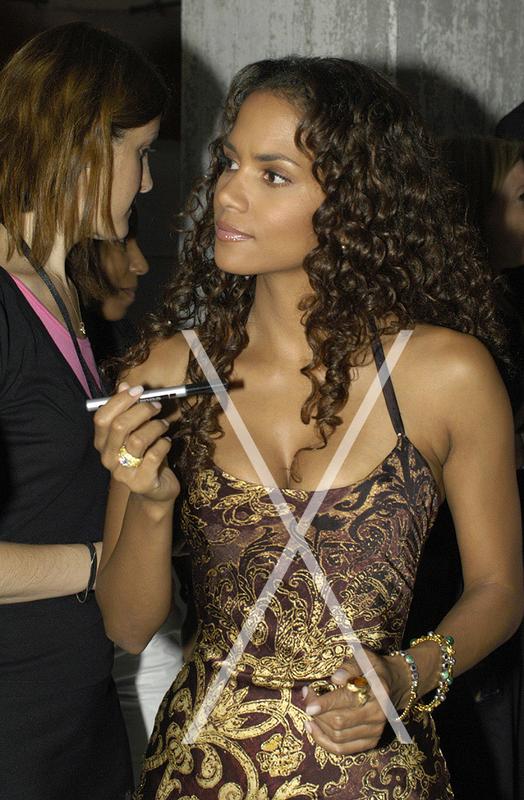
Blake Lively and Kylie Minogue also have the same body shape.
The X body shape is similar to the hourglass body shape, with a defined waist, aligned shoulders and hips. The difference lies in the delicacy of the curves. To enhance this silhouette, opt for clothes that accentuate the waist.
What tops for an X body shape
As with the hourglass body shape, fitted tops, fitted blouses and tight-fitting sweaters are good choices. V-necklines and low necklines highlight the chest.
What bottoms for an X body shape
Skater skirts and pleated pants highlight the delicacy of this body shape. High-waisted jeans are also suitable for this body shape, whether they are straight, slim or flared.
What dresses for an X body shape
Fitted dresses, skater dresses and wrap dresses are perfect for this silhouette. Don’t hesitate to accessorize with a waist belt to further emphasize your body shape.
The pear body shape

The pear body shape or triangle body shape is characterized by narrow shoulders and wider female hips. To balance this silhouette, focus on tops that draw attention to the bust and bottoms that minimize hip width.
What tops for an pear body shape
Opt for V-neck blouses, tops with shoulder pads or patterned blouses to draw attention to the upper body. Fitted jackets and blazers with structured shoulders are also flattering for this body shape.
What bottoms for an pear body shape
Prefer flared skirts, straight or slightly flared pants. Bootcut or flared jeans are ideal for balancing the hips. Avoid low-rise jeans that accentuate the hips and overly tight pants.
What dresses for an pear body shape
Flared dresses, skater dresses or trapeze dresses are ideal for this body shape. Don’t hesitate to accessorize with a waist belt to further emphasize your body shape.
The inverted triangle body shape

Naomi Campbell and Angelina Jolie also have a inverted triangle body shape.
The inverted triangle body shape is characterized by wider shoulders than hips and a less defined waist. To balance this silhouette, opt for fluid tops and bottoms that add volume to the hips.
What tops for an inverted triangle body shape
Choose fluid blouses, tunics or round-neck tops to reduce the width of the shoulders. Avoid tops with shoulder pads or voluminous sleeves that accentuate the shoulders.
What bottoms for an inverted triangle body shape
Skater skirts, pleated pants or pants with pleats are ideal for adding volume to the hips. Low-rise jeans or elastic waist pants can also be flattering for this body shape.
What dresses for an inverted triangle body shape
Opt for fluid dresses, wrap dresses or empire waist dresses. Ruffled or flared dresses are also flattering for this body shape.
The rectangle body shape

Kate Moss and Kate Middleton also have an rectangle body shape.
The rectangle body shape is characterized by a rectangular silhouette, without a defined waist. To create the illusion of a waist and soften the straight lines, opt for fitted tops and bottoms that add movement.
What tops for an rectangle body shape
Fitted blouses, patterned blouses and fluid tops are good choices for this body shape. Don’t hesitate to wear a waist belt to further define your silhouette.
What bottoms for an rectangle body shape
Opt for straight skirts, straight or slightly flared pants and bootcut jeans. Pleated skirts or pants with pleats can also create a waist effect.
What dresses for an H-shaped body
Flowy dresses, skater dresses, or trapeze dresses are ideal for this body shape. Avoid clothes that are too tight-fitting, as they accentuate the rectangular aspect of the silhouette.
The apple body shape

Drew Barrymore and Oprah Winfrey also have an apple body shape.
The apple body shape or oval body shape is characterized by a general roundness distributed throughout the body.
To highlight this silhouette, opt for flowy clothes that delicately emphasize the curves without compressing them.
What tops for an apple body shape
Choose flowy blouses, tunics, or tops with a round or V-neckline to highlight the décolletage. Avoid tops that are too tight-fitting or have overly imposing patterns.
What bottoms for an apple body shape
Flared skirts, straight or slightly flared pants are ideal for this body shape. High-waisted jeans or those with an elastic waistband can also be flattering.
What dresses for an apple body shape
Flowy dresses, wrap dresses, or empire waist dresses are perfect for this silhouette. Avoid dresses that are too tight-fitting or have overly imposing patterns that can weigh down the silhouette.
In summary, it is important to know your body type to dress in a way that highlights your assets. Whatever your female body shape, know that appropriate clothing can enhance your silhouette and help you feel good in your own skin.